Showing posts with label dichloroacetate_DCA. Show all posts

Friday, 16 November 2018

Sulbutiamine or / and DCA

DCA is known to be associated with toxicity and neuropathy. For example, in this study (https://www.ncbi.nlm.nih.gov/pubmed/16476929), a dose of 25 mg / kg / day of DCA caused neuropathy in all participants in the study!

Recently this article caught my attention:
High Dose Vitamin B1 Reduces Proliferation in Cancer Cell Lines Analogous to Dichloroacetate
2014 https://www.ncbi.nlm.nih.gov/pmc/articles/PMC3963161/
"Inhibition of PDKs by dichloracetate (DCA) exhibits a growth suppressive effect in many cancers. Recently it has been shown that the thiamine co-enzyme, thiamine pyrophosphate reduces PDK mediated phosphorylation of PDH. Therefore, the objective of this study was to determine if high dose thiamine supplementation reduces cell proliferation through a DCA like mechanism.
Results: Thiamine exhibited a lower IC50 value in both cell lines compared to DCA. Both thiamine and DCA reduced the extent of PDH phosphorylation, reduced glucose consumption, lactate production, and mitochondrial membrane potential.
...Although our findings demonstrate that doses of thiamine (mM) required to reduce cancer cell proliferation are similar to DCA, thiamine has few dose limiting toxicities."

According to the authors, the proliferation of cancer cells decreased by 50% at thiamine levels of 4.9 and 5.4 mM. While DCA was required 10.3 and 23.8mM. The question is, is it possible to reach a thiamine level of 4.9-5.4 mM in glioblastoma cells in the brain?

"Thiamine reduces cancer cells proliferation.
The IC50 values for DCA were 23.8 for SK-N-BE and 10.3 mM Panc-1. Comparatively, the IC50 of thiamine was lower than DCA for both cell lines with values of 4.9 for SK-N-BE and 5.4 mM for Panc-1."

The effects of Thiamine on PDH phosphorylation, glucose consumption and lactate production, mitochondrial polarization, ROS production, caspase-3 activity were estimated at 25 mM and therefore are probably not easily achievable.

Sulbutiamine is a synthetic thiamine derivative designed to overcome thiamine’s inherently poor bioavailability. It was designed in the 70’s in Japan in response to widespread thiamine deficiency.

I also found some studies that sulbutiamine penetrates the brain better than benfotiamine and thiamine. It also seems that sulbutiamine is safe in large doses.


"Sulbutiamine shows promising results in reducing fatigue in patients with multiple sclerosis. Sulbutiamine is a lipophilic compound that crosses the blood-brain barrier more readily than thiamine and increases the levels of thiamine and thiamine phosphate esters in the brain."

2008 https://www.ncbi.nlm.nih.gov/pmc/articles/PMC2435522/

"...We previously found that sulbutiamine treatment significantly increases thiamine, ThMP, ThDP and ThTP content of rat brain, while the present results show that benfotiamine, at a twice higher dose, is unable to raise the levels of intracerebral thiamine phosphate derivatives.
...Furthermore our results on cultured neuroblastoma cells show that benfotiamine, in contrast to sulbutiamine, does not easily cross cell membranes.
...Our results show that oral administration of benfotiamine leads to significant increases in thiamine, ThMP and ThDP levels in blood, liver but not in the brain. This difference is in agreement with the known pharmacological profile of benfotiamine, i.e. the beneficial effects of the drug concern peripheral tissues but not the central nervous system."

1999 https://www.ncbi.nlm.nih.gov/pubmed/12973384
"Sulbutiamine, a highly lipophilic thiamine derivative, is the only antiasthenic compound known to cross the blood-brain barrier and to be selectively active on specific brain structures directly involved in asthenia."

Sulbutiamine is available as a dietary supplement. Unfortunately, there is not enough information about the risk of its effect on tumor growth at low and medium doses and what should be the high dose for an effect similar to DCA.

Saturday, 6 October 2018

Combining DCA and metformin

New study called Influence of metformin, sodium dichloroacetate and their combination on the hematological and biochemical blood parameters of rats with gliomas C6 published in Experimental Oncology.

https://www.ncbi.nlm.nih.gov/pubmed/30284997  (pubmed abstract)

http://exp-oncology.com.ua/wp/wp-content/uploads/2018/10/2507_01.pdf?upload=   (PDF download)

 "The administration of DCA did not significantly affect the life span
of rats with C6 glioma"

Average lifespan of rats was increased by 19% with metformin alone

Combination treatment with metformin and DCA increased average lifespan of rats by 50%

"the expressed antitumor effect of combination therapy with DCA and MTF [metformin] was associated with a decrease (p < 0.05) in glucose and lactate levels in blood plasma of rats with C6 glioma by 10% and 41.4%, respectively, compared to tumor control."

"Analysis of blood parameters showed that the growth of C6 glioma was accompanied by the development of leukopenia, anemia and thrombocytopenia."

"MTF [metformin] alone and in combination with DCA positively influenced the number of white blood cells and caused complete thrombocytopenia correction, increasing platelet count by more than 200%"


Thursday, 7 June 2018

Cocktail review after 1 year

Dear community,

I'd like to revise my husband's cocktail after 1 year of doing this protocol. He is at 14.5 months from diagnosis and has just started his 12th cycle of TMZ and just got his 3rd excellent MRI saying that the main part of the thalamic tumor is barely visible at the moment (which was the bigger concern of the two tumor sites) and the frontal one is still non-enhancing. 

Although he is methylated, I attribute the good results to the cocktail approach or at least to the synergy between the chemo and the cocktail because the first MRI after radiochemotherapy showed progression and it couldn't be pseudo progression, at least not on the frontal site because only the thalamic site was involved in the treatment. 

We're reaching the 1 year mark of supplementation with the following: 

Fluoxetin 40 mg
Chloroquine phosphate (Delagil) 250 mg (he already stopped taking it)
DCA  500 mg 2 times a day for a patient who is sadly weighs only 55-58 kg these days
Silymarin 630 mg
Celebrex 400 mg

The rest of the meds were added later on gradually. 

In your opinion, is it good to stick to the cocktail if it's working because we don't know what elements are working or after a year would it be wiser to make some changes in the regimen to disturb the tumor?

Does it make sense to take Celebrex if there's no edema and we are 1 year from radiation therapy?

I'm thinking about replacing DCA with the ALA + HCC protocol. 

Sorry if it was discussed before but is LDN an antagonist to methadon? Can the ALA + HCC protocol be effective without LDN? Combining this protocol with ketogenic diet is not an option for us because he has a sweet tooth and these days his main calorie intake is from fruits and baked goods which makes me frustrated big time but I can't help it, he lost so much weight. 

I'm not sure if we can use 800 mg of ALA 2 times a day instead of RLA 800 mg 2 times a day or should we double the dose of ALA considering that ALA is just 50% RLA.   

What's the longest period of time that a patient can take DCA? My husband is on a fairly low dose although he noticed considerable neuropathy on several occasions when we ran out of methadone for one day. Since it has painkiller effects I suppose that the neuropathy is continuous but methadone may conceal DCA's side effects. So I suppose that after a year we should address this problem and make at least a longer break of DCA.

Since his seizure he is on 300 mg of valproate acid 3 times a day, too. Considering that it became a necessity to take an AED I see reason to maybe replace fluoxetine with LITHIUM and so he would be taking almost the whole CLOVA cocktail. He's been on cimetidine 800 mg since last Sept./Oct. I'd like to exclude olanzapine because I read terrible things about its side effects but this way he is already taking 3 of the 4 medicine of the CLOVA cocktail anyway. 

By the way, at first, he was prescribed the same amount of sodium valproate in the A&E but the NO changed it to valproate acid later on. I know that those two are in the same family but can be any difference between their tumor-fighting properties?

I read here an older comment that stated that a patient's NO advised against taking Silymarin and valproate together because valproate is metabolized by the liver and Silymarin flushes it out. Is it a true statement in your opinion? I'm not sure if we can keep that in the cocktail. 

Cimetidine: I suppose it's advisable to take it together with TMZ. In our case it will be 24 cycles if he can tolerate it on the long term. So should he continue it for an additional year?

If stopping with DCA, Celebrex, chloroquine, he will only take a few prescription drugs (metformin, fluoxetine or lithium, alfacalcidol, D,L methadone and of course the anticonvulsant) and it seems a bit scary that natural supplements will be predominant. 

Do you recommend to add anything to this list at this stage of the disease?

Thank you for your inputs in advance! I think I would be a complete nerve-wreck if this blog did not exist. 

Tuesday, 8 May 2018

Intravenous DCA. All the details.

The intravenous (IV) route of DCA has a number of therapeutic advantages, including:
1) higher blood levels because pulsed IV dosing can achieve a higher concentration than is feasible with an oral dosage
2) a longer washout period to reduce the potential for neurotoxicity
3) a bypassing of the digestive system, which is particularly significant for advanced-stage cancer patients.

I want to collect here all the details about the intravenous DCA. Below, I wrote out all the information on the doses and schedule of intravenous DCA in published treatment reports.

1. A Novel Form of Dichloroacetate Therapy for Patients With Advanced Cancer: A Report of 3 Cases
http://alternative-therapies.com/at/web_pdfs/s202khan.pdf
https://www.ncbi.nlm.nih.gov/pubmed/25362214

Case 1: A 79-year-old male sought therapy for metastatic colon cancer
The first dose of 3000 mg (41 mg/kg) of IV DCA was administered on December 22, 2011, together with 50 g of IVC. The second DCA infusion was given 6 days later at a dose of 3500 mg (48 mg/kg) together with 35 g of IVC. A third DCA infusion at a dose of 3700 mg (50 mg/kg) and 50 g of IVC were given 8 days after the second dose.

Case 2: A 43-year-old male sought therapy for metastatic angiosarcoma of the right femur.
IV DCA was started at a dose of 3000 mg (47 mg/kg) weekly and escalated in a 2-week period to 5000 mg (47 mg/kg) twice per week. No side effects were observed. Following a total of 4 months of IV DCA therapy, an MRI demonstrated stability.

2. Long-term stabilization of stage 4 colon cancer using sodium dichloroacetate therapy
https://www.ncbi.nlm.nih.gov/pmc/articles/PMC5067498/

A 57 years old female.
The plan consisted of addition of high dose oral vitamin D at 10000 international units per day, a change of oral vitamin C to vitamin C 50 g intravenous (i.v.) weekly, and addition of dichloroacetate sodium (DCA) 3000 mg i.v. (49 mg/kg) weekly (manufacturer: Tokyo Chemical Industry, United States). To reduce the risk of DCA side effects, 3 natural supplements were prescribed: Alpha lipoic acid (racemic) 500 mg i.v. with each DCA dose, oral R-alpha lipoic acid 150 mg 3 times a day, oral acetyl L-carnitine 500 mg 3 times a day, and oral benfotiamine 80 mg twice a day.
DCA was increased to 4000 mg i.v. (66 mg/kg) weekly. The only side effect noted at the higher DCA dose was mild post-infusion sedation.
…DCA i.v. was continued, and the dose was increased to 4500 mg i.v. weekly.

3. Pharmacokinetics and pharmacodynamics of dichloroacetate in patients with cirrhosis
https://ascpt.onlinelibrary.wiley.com/doi/full/10.1053/cp.1999.v66.a101340
http://sci-hub.tw/https://ascpt.onlinelibrary.wiley.com/doi/pdf/10.1053/cp.1999.v66.a101340

Stock dichloroacetate solution (100 mg/mL) was prepared by dissolving sodium dichloroacetate (>99%, TCI America, Portland, Ore) in 0.45% sodium chloride under aseptic conditions, sterilized by 0.22 micron filtration, and tested for sterility and pyrogenicity before use. It was stored at 4°C, where it is stable for >1 year. Purity and stability were verified by negative chemical ionization gas chromatography—mass spectroscopy (NCI-GC/MS, models 5890/5989A, Hewlett-Packard, Pleasanton, Calif) as described previously. Stock dichloroacetate solution was diluted in 0.9% sodium chloride to a final dichloroacetate concentration of 60 mg/mL on the morning of the infusion protocol.
Intravenous dichloroacetate, 35 mg/kg, was infused for 30 minutes. This dichloroacetate dose was chosen for a near-maximal response of plasma lactate concentration without the somnolence commonly associated with larger doses, even in healthy volunteers. After completion of the stable isotope infusion protocol, subjects were allowed to eat and drink for the duration of the study. All subjects were discharged and sent home 24 hours after the single dichloroacetate administration.

4. Preparation and Stability of Intravenous Solutions of Sodium Dichloroacetate (DCA) 

Solutions for injection (100 mg/ml) were prepared by weighing DCA in a laminar flow hood and, using autoclaved utensils, dissolving it in 0.9% (154 mEq sodium chloride per liter) saline solutions. The solution was filtered through a sterile 0.2 u,m nylon Posidyne filter into a sterile pyrogen-free evacuated container. The solution was then transferred asepticaliy to commercially obtained sterile pyrogen-free vials.

______________________

Unfortunately, I can not find any more information on how to prepare an intravenous DCA solution.
I found a ready-made DCA solution, but still can not find where to buy it.
If you have any information about intravenous DCA, share it!


Friday, 13 April 2018

The combination of DCA and a high dose of R-lipoic acid.


The MetaBloc protocol, which includes 800 mg of R-lipoic acid BID, looks interesting.
At the same time, the administration of DCA looks promising. It is reported that R-lipoic acid (form of alpha-lipoic acid) reduces the side effects of DCA.
Now my mom takes together DCA (8mg / kg / BID) and R-lipoic acid (800mg / BID).

However, I found an unexpected opinion about this!!! ↓↓↓

https://www.cancertreatmentsresearch.com/dichloroacetate-dca-treatment-strategy/#comment-4502

“The difference between DCA and ALA is that DCA increases the production of ROS already overexpressed in cancer cells, such as chemotherapy to trigger either apoptosis, autophagy or necrosis of cancer cells. ALA on the contrary will tend to reduce the production of ROS to its normal threshold as in a healthy cell, thus triggering apoptosis if the cell detects a corruption of its DNA. In fact the overproduction of ROS, at the first level will lead to DNA corruption (cancerous state), to the next level we have apoptosis, then autophagy and then necrosis. Thus, with chemotherapy, such as DCA, cancer cells are destroyed by increasing their ROS production, but at the same time healthy cells are transformed into cancer cells by increasing their ROS level in the first stage...

DCA and ALA fall into two opposing strategies, DCA acts by citotoxicity like chemotherapy or radiotherapy, ALA acts by bringing the cells back into their normal operating context (normal ROS level for example). ALA is often taken to correct the neurological effects of DCA, but as part of the cancer their actions cancel each other out, so avoid taking them together. When it starts with an anti-cancer treatment citotoxic, after a certain time it will have to be interrupted before it becomes too harmful for the healthy cells and give the relay to the immune system supported by supplements like ALA, HCA, curcumin, vitamin C, etc."

http://treatingglioblastoma.com/treatments/dichloroacetate_DCA.htm
"Incidentally, I have concerns about any chemo patient taking ALA because it is a powerful anti-oxidant and probably increases intracellular glutathione levels in cancer cells, thereby contributing to chemoresistance. In addition, Dr. Michelakis reports that DCA preferentially increases reactive oxygen species (ROS) in cancer, but not healthy cells, which helps induce apoptosis. I have concerns that ALA could also help reduce the effectiveness of DCA."

However, in this article it is written about similar mechanisms of action of DCA and alpha-lipoic acid:
http://crescopublications.org/pdf/CROOA/CROOA-2-019.pdf

"Inhibition of PDK with either α-LA, small interfering RNAs or dichloroacetate (DCA) shifts the metabolism of cancer cells from glycolysis to glucose oxidation. Such metabolic rewiring is effective in reducing cancer cell growth in mice. The efficacy of cytotoxic chemotherapy is enhanced by the combination of α-LA and HCA. Similarly, DCA enhances the efficacy of cytotoxic chemotherapy or radiation therapy."

http://www.portmoodyhealth.com/cancer-centre/integrative-cancer-therapies/intravenous-alpha-lipoic-acid-iv-ala/
"Furthermore, ALA is cofactor of pyruvate dehydrogenase, an enzyme that converts pyruvate to acetyl-CoA, which reduces the formation of lactate. Lactate is produced from glucose in excessive amounts by cancer cells, as a result of altered cell metabolism (a phenomenon known as the Warburg effect). ALA reduces the amount of lactate produced by cancer cells, slowing their growth rate (19,20). In this way, ALA is synergistic with DCA (dichloroacetate) in its ability to alter cancer cell metabolism."

In reports on the treatment of Medicor, DCA is used together with R-lipoic acid.
For example, here:
http://medicorcancer.com/metastatic-ovarian-cancer/
"The patient consented to DCA treatment and was started at 23 mg/kg/day (500mg p.o. b.i.d.), on a cyclic treatment of 1 week on, and 1 week off. She was supplemented with vitamin B1 100mg p.o. t.i.d., and R alpha lipoic acid 300mg p.o. t.i.d."

Stephen also writes in one of his comments:
"Notably, one of the mechanisms of alpha-lipoic acid (inhibition of PDK, pyruvate dehydrogenase kinase) is a mechanism shared with dichloroacetate (DCA)."

Your opinion? Is it possible to combine a high dose of R-lipoic acid and DCA?
Will not they counteract each other?

P.S. An interesting conclusion of this study:
http://www.anaturalhealingcenter.com/documents/Thorne/articles/R-Lipoic12-4.pdf
"In order to significantly extend Cmax and AUC, it is possible to administer three 600-mg RLA doses (as NaRLA) at 15-minute intervals to achieve plasma concentrations similar to those from a slow (20-minute) infusion of LA."
How can we use it? Take 800mg of NaRLA in three doses at intervals of 15 minutes?

Also, because of problems with the stomach, I consider intravenous administration of alpha-lipoic acid. What dose for one infusion should be taken to equal 800 mg of BID NaRLA? And how often to make such infusions? I find different options: daily infusions or 2-3 times a week.

Thursday, 1 March 2018

Salt Tablets

Hi Everyone
Given that my daughters normal blood pressure has always been on the lower end of the scale, i have been giving her some OTC salt tablets (600mg Sodium Chloride) 4-5 times a day to counteract the Trandolapril and the higher dose of Verapamil over the week surrounding chemo treatments.
In reading an article from the library (Thank you Stephen for giving me access to the library) titled;
Losartan versus Enalapril on celebral edema, it states that lab rats were given a high salt intake to accelerate the appearance of celebral edema.
It concludes that chronic treatment with the AT receptor blocker Losartan prevents the development of celebral edema, and causes manifest cerebral edema to disappear in salt loaded rats?
I am totally new to all of this, and i struggle to understand the medical and scientific interpretations, so i guess my question is;
By giving my daughter a salt supplement to counteract her angiotensin medications, could i in fact be escalating the risk of additional edema.
Any feedback greatly appreciated.
Regards
Martin

Saturday, 26 August 2017

Information on DCA and methadone

Hello all,
I'm looking for information on DCA. My dad was diagnosed with an inoperable glioblastoma in December 2015. He's doing pretty well at the moment and we're happy with his treatment. But we want to be prepared for the worst case and that's why I'm interested in DCA.
We live in Germany and as many other cancer patients my dad is taking methadone as part of his cocktail. That's also my main concern because I couldn't find any information on whether methadone and DCA can be combined (I read that you need to be careful with cannabinoids which could be problematic as methadone uses the same receptors). My dad's tumor was stable for a year and then started shrinking in December 2016. As you can imagine we're extremely happy and don't want to omit any of the drugs he's taking at the moment:
- Temodar (still on 5/23)
- methadone
- Optune TTF
- dexamethasone  (tapering 0,5 mg)
- Omega 3
- Vitamin D
- Levetiracetam
- Coriolus versicolor (PSK)
- broccoli sprouts
- Eliqius (blood-thinner)
If you have any information on the combination of DCA with our cocktail, please let me know. I'd also like to know whether you really have to be careful with the dosage in brain tumor patients. I read some really scary stories online, they said that the combination of DCA and caffeine was dangerous.
Thanks a lot!!

Sunday, 23 July 2017

posts on DCA from the old cancer compass thread

I found some of the discussions on the old cocktails thread at cancer compass concerning DCA useful, including the two below.

April 19, 2015:
I talked with three different suppliers and one Canadian pharmacy about purchasing DCA. One company was rude, would not address my questions, and worse. Very evasive in who they were and quality issues. My selection came down to two providers and ultimately I went with pharma-dca. I chose this company because they claim their DCA is manufactured in the UK, not china like almost all other DCA. They addressed my questions respectfully and I liked one of the responses I received from them (see below). Additionally I was looking for someone else that had sourced their DCA through pharma-dca and found that Cheryl Broyles does.
Caveat emptor seems like a very important precaution here. I have not had their DCA independently tested. Therefore it could be excellent quality, it could be adulterated or not DCA at all. I am in no way suggesting their product is not what they claim, I am simply saying I have not had it tested. In my conversations with others using DCA, some source their product through pharma-dca as well and have no complaints. By the way, the other source I was inclined to trust was Certified DCA, but they were asking quite a bit more for their DCA. Below is pharma DCA’s response. If you are interested in certifiedDCA’s response to me let me know and I will post it.
Here is pharma-DCA’s response to me. 
 Hello Michael
Thanks for the response; Pharma-dca.com is part of the AWP group of internet companies.
We do however agree that the vast amount of Sodium Dichloroacetate for sale originates in China.
We have been concerned regarding this issue but as you will appreciate have no control over the purchasing by individuals who unfortunately have not the knowledge or realization of product source.
 AWP  for many years has had its own in-house fully equipped laboratory and routinely sample every batch of product produced.
 All our Sodium Dichloroacetate is produced within the UK to exacting standards; a typical analysis would be as follows:
All product is batch produced  and the batch number displayed on the product label for maximum quality control.
An inductively Coupled Plasma Mass Spectrometer offers the initial indication of the product quality, we have available if required a Perkins FTIR Spectrometer, a Hewlett Packard Gas Chromatograph plus other equipment.  Finally a sample of the finished product receives a quantitive analysis by titration.
 Only product that meets our strict guidelines is sent for packaging etc.
 Finally if you look at our website you will observe that we also produce potassium dichloroacetate, we have not seen this anywhere else including China.
 We welcome anyone to have our product analyzed on their own behalf

May 16, 2015
Some feel placing DCA in a freezer is important, most seem to feel just refrigeration is fine.  It is claimed the freezer keeps DCA fresher for much longer, but from a practical point of view, you will go through a 100 g bottle rapidly enough that it does not matter.  We keep it in the refrigerator.  We do not worry about with or between meals.  Benfotiamine is taken in the morning around the time DCA is taken.  Might be taken at the same time or at a different time, same with thiamine at night. 

Friday, 14 July 2017

My father's GBM

 My father was diagnosed with GBM on 4/15 and he had a total resection surgery on 4/17.  I've been researching pretty much non-stop every since.  I watched the surviving terminal cancer movie, read Ben Williams book, have been scouring the internet gathering as much information as possible and this is how I ended up here.  

Here's all the information I have on my fathers tumor and the treatment and supplements he is on to date:
Genetic testing: MGMT was not detected (negative) unmethylated
IDH1 and IDH2 were not detected (negative) as well
It is EGFR amplified - which qualified him for ABT-414 clinical trial.
He is currently in the trial and has some symptoms which lead us to believe he is getting the actual drug and not the placebo.  
He finished up the standard treatment of Radiation and Chemotherapy a few weeks ago.
He is taking Keppra and a PPI daily

List of supplements: Cannabis oil, 20 mg melatonin, 800 mg curcubrain, reishi and coriolus mushroom supplement, 500 mg Boswellia extract, 400 mg green tea extract, 200 mg resveratrol, 200 mcg selenium, 10000 IU vitamin D3, Hemp seed and flax seed oil.
Also drinking fruit and veggie smoothies daily.

These are the off label drugs that I recently received and plan on having him start in a couple days.
Disulfiram-125 mg a day for the first week, then 250 mg daily
Chloroquine- 250 mg daily
Celebrex- 200 mg twice daily
Metformin- 500 mg once daily, titrating up to twice daily, then 3 times daily
Doxycycline 100 mg twice daily
Propranolol 60-80mg daily
Lipitor
DCA 5mg/kg per day, titrating up to 12-15mg/kg.
LDN (low dose naltrexone) start with 2mg nightly titrating up to 4.5mg

I have a few questions:
1.How does the dosing and schedule of the off label drugs look? Anything I should add or subtract? 
2. I know Disulfiram and DCA can cause neuropathy, should they not be taken together?
3. Should the green tea extract pills be avoided while on DCA?
4. The doxycycline I have is Dox T-SL (Doxycycline 100 mg / Lactic Acid 5 billion spores)  
It says "DOXT-SL contains Doxycycline along with 5 billion spores of lactobacillus sporogenes."
Would the lactic acid cause a problem?
5. Most of the research I've done says statins are beneficial, but I've also an article saying they should be avoided.  Should they be used or avoided? 
If he does take the Celebrex, any recommendations on dose?
6. The Naltrexone pills I have are 50 mg.  I've seen people dissolve them in 50mg of water and then use a syringe to suck up desired amount in mg.  Is this advisable?  Some people say this will cause inconsistent doses, but I don't know another way.
7. I've read that since his GBM is unmethylated and EGFR amplified that a metronomic chemo scheduling would be more beneficial than standard chemo treatment.  We meet with my fathers oncologist next week to take a scan and discuss the future game plan.  Does anyone have any recommendations on how to try and convince his dr. to prescribe the metronomic dosing schedule.

Any help or suggestions would be greatly appreciated.  Like I said, I've been doing a ton of research and sometimes it seems like the more I do, the more confused I get.  

Sunday, 23 April 2017

Dichloroacetate (DCA) for EGFRvIII positive glioma/glioblastoma

Metabolic targeting of EGFRvIII/PDK1 axis in temozolomide resistant glioblastoma


"Immunocytochemistry experiments conducted on EGFRvIIIR cells revealed intense co-localization of PDK1 and EGFRvIII suggesting that PDK1 function is especially relevant for targeting the EGFRvIIIR-dependent GBMs."

"Mouse GBM xenografts tumor cells exhibited heterogeneous labeling of PDK1/EGFRvIII, with positive areas of staining detected alongside negative ones and the DCA treated tumors showed with very low PDK1/EGFRvIII (Figure 6C). Survival curves plotted revealed that DCA treatment increased the survival rate by more than 5 weeks in EGFRvIII treated mice and 3 weeks in EGFRvIIIR treated mice."


Saturday, 14 January 2017

Start DCA while on dex?

So, I have DCA in the freezer, ready to use.
Bought from PureDCA.com.
They recomended  600mg dca + 375mg of thiamin TWICE daily for 80kg man. My husband now is 84.6 kg.
Not sure if he can start DCA (sodium version) if he is on 7mg of dexamethasone and thus should have low sodium diet.
He currently does not have any treatment. 
Last DC vaccine was on 31st November 2016. 
SPMF treatment ended on 12th October. Were told that therapy 'lasts' for another three months (forgive me my imperfect English).

Current drugs:
Dexamethasone 4-3-0 (mg)
Omeprazole 200-0-0
Levetiracetam 750 mg1-0-1 
Endoxan 50 mg1-0-0 (cyclophosphamide)
MGN-3 1000 mg1-1-1 (shitake powder)
Rytmonorm SR 325 mg1-0-1 (propafenonum for heart)

Supplements:
Vitamin D 5000 UI0-1-0
Vitamin C 1000 mg0-1-0
Caltrate Plus0-0-2 (calcium)
Magne B61-0-1 (magnesium)
MarineOmega1-0-1 (omega 3)
LifePak1/2-0-1/2 (multivitamine)
Cordyceps2-0-2
Reishi 

We also plan to start applying 25% DMSO gel from Jacobs labs topically on his head.
(We hope to decrease his significant edema in the brain.)

Any advice on DCA start/not to start/when will be much appreciated.

Husband has all kinds of side effects from dex. Started higher doses on September. Moon face, insomnia, big abdomen, myopathy, osteopenia...

God bless,
Hana

Tuesday, 25 October 2016

Toxicity of DCA + artesunate combination in a GBM patient

A new case report describes a toxic and eventually fatal reaction following DCA + injected artesunate in a GBM patient.  Hematological and liver toxicity began 6 days after DCA + artesunate combination treatment.

"An unknown amount of DCA was administered and ART (2.5 mg/kg bodyweight) was intravenously infused 148 days after surgery".

Note that artesunate was removed from the CUSP9 protocol due to toxicities.  Probably best to avoid the DCA + artesunate/artemisinins combination.  Has anyone been taking this combination now or previously?

journal.frontiersin.org/article/10.3389/fonc.2016.00204/pdf


Thursday, 6 October 2016

Looking for help with our cocktail

Hi everyone,
I'm new to this blog and would love to get some advice. My dad was diagnosed in December 2015 with a glioblastoma. Unfortunately it's inoperable because of it's location (corpus callosum). I've just read Ben William's book and I think it's very sensible to try the cocktail approach. He finished radiation plus Temodal and is now in his 5th cycle of Temodal. After the 6th cycle he'll be switched to metronomic Temodal. He also takes:
- dexamethadone 4mg/day
- D-L-methadone 1,75ml/2x day
- Heparine injections because of a thrombosis
- Keppra 500mg/2x day
He is also using Optune TTF. But there's more that we want to do. I'm very interested in DCA but worried if it might interact with the methadone. From what I've read online, he should start on a low dose and without caffeine as brain tumor patients can't seem to tolerate a higher dose. Do you think that we should give it a try? I think it's pretty hard to get...
Additionally we're considering the following:
- PSK
- Melatonin plus Aloe Vera (again I'm worried because of the methadone as it makes him really tired)
- Fish oil (Omega 3)
-CoQ10
It would be so helpful for us if you could give u your advice!
Thank you so much
Steffi

Wednesday, 17 August 2016

Article about hypoxia: How tumors adapt to become more aggressive

From an article at Sciencedaily.com, see link below.

"One of the many reasons tumors are so difficult to treat is that they are able to adapt whenever they are exposed to unfavorable conditions. Hypoxia, or a lack of oxygen, is one example of a phenomenon that should weaken the tumor, but instead, the malignant cells are able to compensate and drive more aggressive disease behavior.

Now, scientists at The Wistar Institute have identified a novel mechanism that selectively operates in hypoxic tumors to enable tumor cells to thrive and continue to proliferate despite a low oxygen environment. Dario C. Altieri, M.D., Wistar's President and CEO and lead author of the study, and colleagues showed how the activation of this pathway leads to an unfavorable prognosis for patients with gliomas -- a type of brain tumor -- and how the pathway could be a valuable therapeutic target in cancer. The findings were published in the journal Cancer Cell.

"Hypoxia is a nearly universal hallmark of aggressive tumor growth, and up until now, we really haven't been able to home in on a pathway responsible for this behavior," said Altieri, who is also director of The Wistar Institute Cancer Center and the Robert & Penny Fox Distinguished Professor. "Our study pinpoints a novel way in which tumor cells not only survive but actually continue to divide in spite of a low oxygen environment. In essence, this provides a much-needed answer for exactly how tumor cells are able to get the energy they need to persist when faced with unfavorable conditions."

Mitochondria, known as the "powerhouse" of cells because of their role in energy production, are the main source of hypoxia-induced reprogramming in tumors. The Altieri lab showed that the protein Akt, which plays a key role in cell signaling and metabolism, accumulates in mitochondria during hypoxia. When this happens, the protein PDK1 is phosphorylated at a unique site, and a complex responsible for cellular respiration is shut down. The pathway then uses the tumor's metabolism to break down glucose and use its energy to reduce cell death and maintain proliferation.
The mitochondrial signaling between Akt and PDK1 was analyzed in a cohort of 116 patients with gliomas. The activation of this signaling pathway progressively increased in different types of gliomas, with the highest activity seen in patients with glioblastoma, a particularly difficult-to-treat form of brain cancer that represents approximately 15 percent of all brain tumors.
"We are excited about our results because there are drugs that exist that specifically target Akt in cancer. These drugs have produced limited clinical responses to date, but we believe with further investigation that we may be able to repurpose these drugs as a viable approach to impair a tumor's ability to adapt to hypoxia," said Young Chan Chae, Ph.D., an associate staff scientist in the Altieri lab and first author of the study."

Link to the "news article":
https://www.sciencedaily.com/releases/2016/08/160808124042.htm?utm_source=feedburner&utm_medium=email&utm_campaign=Feed%3A+sciencedaily%2Fhealth_medicine%2Fbrain_tumor+%28Brain+Tumor+News+--+ScienceDaily%29

And the scientific journal (unfortunately no access to it):
Young Chan Chae, Valentina Vaira, M. Cecilia Caino, Hsin-Yao Tang, Jae Ho Seo, Andrew V. Kossenkov, Luisa Ottobrini, Cristina Martelli, Giovanni Lucignani, Irene Bertolini, Marco Locatelli, Kelly G. Bryant, Jagadish C. Ghosh, Sofia Lisanti, Bonsu Ku, Silvano Bosari, Lucia R. Languino, David W. Speicher, Dario C. Altieri. Mitochondrial Akt Regulation of Hypoxic Tumor Reprogramming. Cancer Cell, 2016; 30 (2): 257 DOI: 10.1016/j.ccell.2016.07.004

Friday, 1 July 2016

DCA schedule in C6 rat glioma model

Interesting Ukrainian study showing schedule-dependent effects of DCA.  Daily DCA treatment for 6 days starting at day 2 decreased average life span by 15%, daily treatment for 6 days starting at day 7 had no effect on survival.  Longer treatment (13 days) starting at day 2 increased average life span by 25% or more.  The DCA treatment was more effective under hypoxic conditions.

Full study available for download here.

Sunday, 7 February 2016

My Mum's story so far (GBM - trying cocktail and immunotherapy)

Hi all,

I thought it was time to share my Mums story so far. This blog has been just so helpful and I am so grateful to Stephen and all who contribute to this so thank you.

I will try to keep this as brief as possible and focus on the important and maybe interesting bits for others going through this.

My Mum, Marilyn, aged 66 was diagnosed in July with GBM. Symptoms were; getting lost on her drive home from work (a drive she has done many many times), text messages were getting muddled, trouble feeling stable when walking down stairs and some speech issues such as forgetting the word for things. The first scan showed a very large tumour in her front left temporal region and a very small one further back on the left side near her speech and communication region. She is being treated in the UK where we are from but I live in San Francisco so I am back and forth a bit (trying to not get fired from my job but be home as much as possible to offer her and my Dad support). My brother is a great support too and lives in the UK.

After diagnosis, she had keyhole surgery on the larger tumour which was a success with 99% resected. We decided to leave the smaller tumour alone as there was a risk of her speech worsening and her symptoms were so relieved after her first op. The plan was to try to hold this smaller one in place with chemo and radiation. As she is being treated by the NHS she didn't get any tumour tissue testing as a standard which absolutely boggles my mind! I had to fight hard for it. The results from the pathologist got back to us insisting there was too much necrotic tissue in her tumour to be able to test for anything.

Mum started on a cocktail during radiation mainly of supplements but towards the end of the 6 weeks had added CBD oil and a few repurposed drugs from the Care Oncology Clinic; Metformin and Mebendazole. Celebrex has been impossible to get hold of for us even with two letters of recommendations from two different oncologists to give to our GP. However I am chasing a few more options now so there is still hope here.

After radiation/chemo her symptoms worsened significantly, in particular her sentence forming and some of her movements. We were told this was just a result of the radiation and to be expected so we were hoping she might start to improve again but in mid November things got so bad she was rushed to hospital. She could not talk and her right side movement was significantly impaired. She was given a high dose of steroids (after not being on any after radiation) as they found she had severe cerebral oedema. This was unfortunately caused by the smaller tumour growing significantly since her first operation. It had grown and a new one was forming next to it and very close to Mums motorneruone center.


Thankfully surgery was an option. She ended up having to wait nearly 5 weeks for the surgery as it was a 'really busy time of year'. It was a very long 5 weeks and Mum got back onto a cocktail during some of this and had been finding the CBD oil particularly helpful. She was not keen on taking THC but is very happy to take the CBD and feels brighter after doing so. The surgery happened on Christmas Eve and went as well as possible. The surgeon was a bit amazed/stumped to find so much necrosis, he said it "was all grey" and he could not see any live tissue. Normally there is some necrosis but he was really stunned to find as much as he did and felt that whatever she has been doing she should keep on doing that! I am not sure what to think here as her original tumour was also full of necrotic tissue so it could just be the nature of this GBM. It was interesting hearing how shocked the surgeon was though and how positive he felt that something was causing it to die.

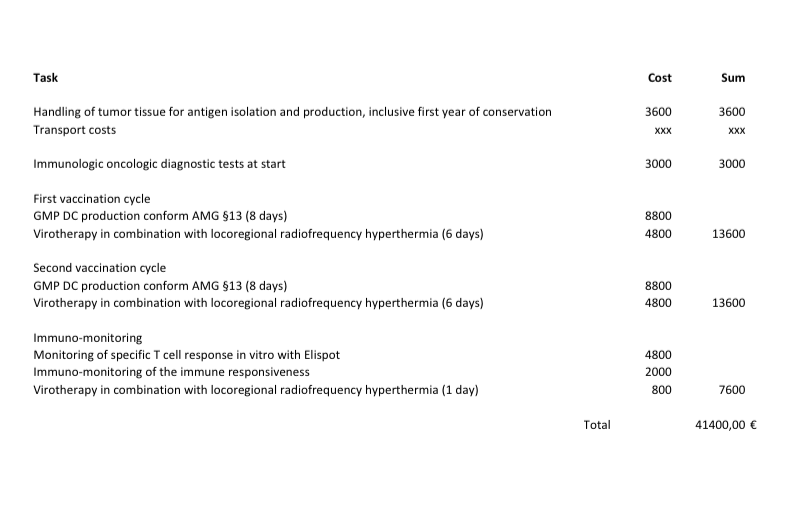
This time around with the surgery we had asked again for tumour tissue testing but had no luck again due to the necrosis. We also decided to pursue immunotherapy at IOZK in Cologne with Stefaan Van Gool. Mum's tumour was frozen and shipped off to Cologne and they seem to think they can still build a successful vaccine with the tissue so that was some good news.

Mum's NO had wanted her to switch to PCV after she progressed during radiation but we felt it was too soon to give up on Temodar for a whole lot of reasons. With the number of scans she has had in the past few months we are able to see that a tiny bit of growth from her original resected tumour has stayed static indicating something is holding that in place. She started on her first month of the high dose Temodar a few weeks ago. Between days 5-10 of the month she will go to Cologne for her treatment.

The first NDV injection was done on Tuesday. They had her on a drip of Selenium, Vitamin C and Newcastle Disease Virus at the same time as having Hyperthermia treatment. She tolerated it well. She went back the next morning for the same again. So far my Mum and Dad have found the clinic to be really pleasant and they have been well looked after. Mum had a slight fever during the night on Wednesday but is good right now. Attached a picture of Mum undergoing the IOZK treatment...


We are adding and adapting Mums cocktail gradually but this is it below for next week. We have Cimetedine and Sildenafil waiting in the wings and are working on getting Celebrex and Minocycline too. We have not added the COCs other prescribed drugs, Doxycycline and Atorvastatin as there is not enough evidence of efficacy with these. We may consider adding DCA as well -especially as it is accessible although I am concerned about the potential side effects and being so far from home so often it is hard to only hand out the instructions and not be there to manage any potential symptoms.

______________________________________________________
First thing in AM         Lanzoprazole                      (x1)        30mg
______________________________________________________
Before Breakfast          Levetiracetum                    (x1)        500mg
                                     Wild Alaskan Fish Oil          (x1)        1125mg
                                     Selenium                             (x1)        200mcg
                                     Broccoli Sprout Extract       (x2)        1000mg

During/After                 Dexamathasone                 (x1)        2mg 
Breakfast                      Metformin                          (x1)        500mg
                                     Zinc                                     (x1)         50mg
                                     Boswellia (Wokvel)             (x1)         333mg
                                     Curcumin (Longvida)           (x2)        1000mg
                                     Ashwaganda                       (x1)        125mg
                                     Coriolus PSK                      (x2)        1200mg
                                     Honokiol (HonoPure)          (x2)         500mg
________________________________________________________
Before Lunch/Mid        Wild Alaskan Fish Oil           (x1)        1125mg
Morning                        CBD oil                                              100mg
                                      Pterostilibine                       (x1)         50mg

During/After                 Vitamin D3                            (x2)         4000IU
Lunch                           Green Tea Extract                (x1)         725mg
                                     Pterostilibine                        (x2)         100mg
                                     Boswellia                             (x1)         333mg
                                     Ashwaganda                        (x1)         125mg
                                     Mebendazole                      (x2)         200mg
 _______________________________________________________
 Before Dinner/Late      Flaxseed oil                         (x1)        300mg
Afternoon                     Curcumin                             (x2)       1000mg

During/After                Levetiracetum                    (x1)        500mg
Dinner                          Metformin                          (x1)        500mg
                                     Milk Thistle                         (x3)        450 mg
                                     Coriolus PSK                      (x2)         1200mg  
                                     Vitamin D3                          (x1)        2500IU
                                     Chloroquine                      (x1)         250mg
                                     Honokiol (HonoPure)         (x2)         500mg

_______________________________________________________
Bedtime                        Melatonin                           (x1)          10mg 


Does anyone know of any reason to not take a very high dose of Vitamin D3 for extended periods?
Whilst supplement shopping today I read the label on the back of one of the Vit D3 5000 IU bottles that said to only take once every other day and to be wary of taking for continued periods. I am not sure what side effects there might be and again I am sure whatever they may be are most likely insignificant compared with the potential benefits in this case.


Has anyone got any good methods for organising supplements? Any recommendations on pill organisers? I noticed Ben Williams uses them in the survivngterminalcancer doco. There are a whole range on Amazon. It makes sense to prepare a weeks worth ahead of time.

I am so grateful for this space to share and discuss. Thanks so much Stephen -I am not sure I can say thank you enough times!

Best wishes to all.

Alison

Edited to add IOZK cost breakdown: