Identification of antipsychotic drug fluspirilene as a potential anti-glioma stem cell drug
link to full study in Oncotarget
The TGS04 GBM glioma stem cell line used in the mouse study was established from a human glioblastoma at the University of Tokyo. These cells were implanted in the brains of nude mice. Fluspirilene was administered intramuscularly, as it is in humans.
Above: Fluspirilene treated mice had reduced tumor volume, increased survival and more sharply defined tumor borders (less diffuse).
Above: fluspirilene treated tumors showed greatly decreased expression of STAT3 with phosphorylation at serine 727. In other words, there was less activated STAT3 in these tumors.
"STAT3 can be transcriptionally activated by phosphorylation of its tyrosine 705 or serine 727 residue"
STAT3 is an important target in GBM and other cancers, helping to co-ordinate such cellular behaviours as invasion, angiogenesis, anti-apoptosis and immunosuppression.
Thursday, 18 January 2018
Wednesday, 17 January 2018
A difficult choice of treatment for a large progressive GBM after chemoradiotherapy
From some studies it follows that:
- Avastin in the first line increases the quality of life and survival for partially resected GBM;
- combination of CCNU + Avastin is more advantageous than just Avastin for MGMT-methylated GBM;
- I can not also not use TMZ immediately after chemoradiotherapy, especially after CeTeg results for MGMT-methylated GBM;
- low Avastin dose (<3.6 mg / kg / week) with Telmisartan, is more beneficial than the Avastin standard dose and will not be so toxic for use with CCNU + TMZ.
As a result, after sleepless nights, I decided to try this combination:
The cycle of 42 days:
0 day - Verapamil 240mg, Disulfiram 500mg, Copper 4mg, DHA 1200mg
1 day - Avastin 6.5 mg / kg
1 day - Lomustine 75 mg /m2 (+ Verapamil 240mg, Disulfiram 500mg, Copper 4mg, DHA 1200mg)
2-6 days - Temozolomide 90 mg/m2 (+ Verapamil 240mg, Disulfiram 500mg, Copper 4mg, DHA 1200mg, Curcumin 2000mg)
7-41 days - Telmisartan 40-80mg, Disulfiram 300mg, Copper 2mg, DHA 900mg)
15 day - Avastin 6.5mg / kg
29 day - Avastin 6.5mg / kg
42 day - Verapamil 240mg, Disulfiram 500mg, Copper 4mg, DHA 1200mg
+ every day Melatonin/Agomelatin, Berberin, Shark Oil, Oxaloacetate, Honokiol...
If possible, DCA will be added 6mg / kg / twice every day.
If possible, the doses of CCNU and TMZ in the next cycle will be increased.
- Avastin in the first line increases the quality of life and survival for partially resected GBM;
- combination of CCNU + Avastin is more advantageous than just Avastin for MGMT-methylated GBM;
- I can not also not use TMZ immediately after chemoradiotherapy, especially after CeTeg results for MGMT-methylated GBM;
- low Avastin dose (<3.6 mg / kg / week) with Telmisartan, is more beneficial than the Avastin standard dose and will not be so toxic for use with CCNU + TMZ.
As a result, after sleepless nights, I decided to try this combination:
The cycle of 42 days:
0 day - Verapamil 240mg, Disulfiram 500mg, Copper 4mg, DHA 1200mg
1 day - Avastin 6.5 mg / kg
1 day - Lomustine 75 mg /m2 (+ Verapamil 240mg, Disulfiram 500mg, Copper 4mg, DHA 1200mg)
2-6 days - Temozolomide 90 mg/m2 (+ Verapamil 240mg, Disulfiram 500mg, Copper 4mg, DHA 1200mg, Curcumin 2000mg)
7-41 days - Telmisartan 40-80mg, Disulfiram 300mg, Copper 2mg, DHA 900mg)
15 day - Avastin 6.5mg / kg
29 day - Avastin 6.5mg / kg
42 day - Verapamil 240mg, Disulfiram 500mg, Copper 4mg, DHA 1200mg
+ every day Melatonin/Agomelatin, Berberin, Shark Oil, Oxaloacetate, Honokiol...
If possible, DCA will be added 6mg / kg / twice every day.
If possible, the doses of CCNU and TMZ in the next cycle will be increased.
Histone deacetylase inhibitors (HDACi)
I find a lot of information that histone deacetylase inhibitors (Trichostatin A (TSA), Vorinostat, 7-ureido-N-hydroxyheptanamide derivative (CKD5)) have potent anti-cancer effects in glioblastoma.
2017 https://www.ncbi.nlm.nih.gov/pubmed/27852054
"Our results demonstrate that the novel HDACI CKD5 is a promising therapeutic candidate for glioblastoma."
2017 https://www.ncbi.nlm.nih.gov/pubmed/27766591
"We conclude that the combined administration of TSA and CCNU eradicates GBM cells with a higher efficacy than either drug alone, thereby opening a novel avenue for the treatment of GBM."
2015 https://www.ncbi.nlm.nih.gov/pubmed/25634603
"...these results indicate that trichostatin A (TSA) suppresses ESCC cell growth by inhibiting the activation of the PI3K/Akt and ERK1/2 pathways. TSA also promotes cell apoptosis through epigenetic regulation of the expression of apoptosis‑related protein."
2014 https://www.ncbi.nlm.nih.gov/pubmed/24464841
"Here, we investigate the effects of the HDACi trichostatin A (TSA) in U87 GBM cultures and tumorsphere-derived cells. These findings indicate that HDACis can inhibit proliferation, survival, and tumorsphere formation, and promote differentiation of U87 GBM cells, providing further evidence for the development of HDACis as potential therapeutics against GBM."
The results of clinical trials, however, did not give a good result:
Phase I/II Trial of Vorinostat Combined with Temozolomide and Radiation Therapy for Newly Diagnosed Glioblastoma: Final Results of Alliance N0874/ABTC 02.
2017 https://www.ncbi.nlm.nih.gov/pubmed/29016887
Phase II Study of Bevacizumab and Vorinostat for Patients with Recurrent World Health Organization Grade 4 Malignant Glioma.
2017 https://www.ncbi.nlm.nih.gov/pubmed/29133513
"Valproic acid has also recently been demonstrated to be a potent histone deacetylase inhibitor."
Many patients with glioblastoma take valproic acid (Depakote) against epileptic attacks. However, this has no effect on overall survival. Perhaps it is necessary to increase the dose or combination with something? I found that disulfiram increases the content of valproic acid in the blood.
And by the way, I can not find any medicine containing Trichostatin A.
2017 https://www.ncbi.nlm.nih.gov/pubmed/27852054
"Our results demonstrate that the novel HDACI CKD5 is a promising therapeutic candidate for glioblastoma."
2017 https://www.ncbi.nlm.nih.gov/pubmed/27766591
"We conclude that the combined administration of TSA and CCNU eradicates GBM cells with a higher efficacy than either drug alone, thereby opening a novel avenue for the treatment of GBM."
2015 https://www.ncbi.nlm.nih.gov/pubmed/25634603
"...these results indicate that trichostatin A (TSA) suppresses ESCC cell growth by inhibiting the activation of the PI3K/Akt and ERK1/2 pathways. TSA also promotes cell apoptosis through epigenetic regulation of the expression of apoptosis‑related protein."
2014 https://www.ncbi.nlm.nih.gov/pubmed/24464841
"Here, we investigate the effects of the HDACi trichostatin A (TSA) in U87 GBM cultures and tumorsphere-derived cells. These findings indicate that HDACis can inhibit proliferation, survival, and tumorsphere formation, and promote differentiation of U87 GBM cells, providing further evidence for the development of HDACis as potential therapeutics against GBM."
The results of clinical trials, however, did not give a good result:
Phase I/II Trial of Vorinostat Combined with Temozolomide and Radiation Therapy for Newly Diagnosed Glioblastoma: Final Results of Alliance N0874/ABTC 02.
2017 https://www.ncbi.nlm.nih.gov/pubmed/29016887
Phase II Study of Bevacizumab and Vorinostat for Patients with Recurrent World Health Organization Grade 4 Malignant Glioma.
2017 https://www.ncbi.nlm.nih.gov/pubmed/29133513
"Valproic acid has also recently been demonstrated to be a potent histone deacetylase inhibitor."
Many patients with glioblastoma take valproic acid (Depakote) against epileptic attacks. However, this has no effect on overall survival. Perhaps it is necessary to increase the dose or combination with something? I found that disulfiram increases the content of valproic acid in the blood.
And by the way, I can not find any medicine containing Trichostatin A.
Tuesday, 16 January 2018
One reason mouse studies don't translate to humans
I just came across a study that looked very interesting, showing increased survival in an orthotopic glioma mouse model when metformin is combined with temozolomide.
High-Dose Metformin Plus Temozolomide Shows Increased Anti-tumor Effects in Glioblastoma In Vitro and In Vivo Compared with Monotherapy
Especially interesting was the finding that the higher dose of metformin + temozolomide eliminated the expression of fatty acid synthase in the tumor specimens.
Fatty acid synthase (FASN) may be an especially good target in IDH1-mutant gliomas, as FASN is one of the most differentially overexpressed transcripts in G-CIMP (for the most part IDH mutant) gliomas versus non G-CIMP (for the most part IDH wild-type).
As is usually the case, the devil is in the details.
The study states several times that the metformin doses used in this study are clinically relevant, and this is true, except for the fact that the mice were injected with metformin intraperitoneally, rather than fed the metformin orally the way humans would take it.
From a different study, we know that intraperitoneal injections of metformin can lead to peak plasma levels 150-fold higher than what can be achieved with oral dosing.
"Notably, HPLC-ESI-QTOF-MS pharmacokinetic analysis showed that the plasma levels of metformin immediately after the last i.p. injection were ~150-fold higher than those obtained with the oral dosing schedule. Thus, mice that were treated with the i.p. dosing schedule achieved 679 ± 16 µmol/L (~87 µg/mL) metformin, a circulating dose of metformin that is within the lower limit observed in an individual with metformin poisoning..."
Pharmacokinetic differences between the methods of drug administration used in mouse studies (often intraperitoneal) and the methods used in humans, may account for some of the failures of mouse studies to translate into clinical results.
It would be interesting to investigate the anti-diabetes drug phenformin, a much more potent biguanide which was removed from the market in the 1970s due to increased risk of lactic acidosis, for cancer treatment.
Sunday, 14 January 2018
Lomustine or Axinitib? Phase 2 results.
Randomized phase II trial comparing axitinib with the combination of axitinib and lomustine in patients with recurrent glioblastoma.
https://www.ncbi.nlm.nih.gov/pubmed/28988341
https://static-content.springer.com/esm/art%3A10.1007%2Fs11060-017-2629-z/MediaObjects/11060_2017_2629_MOESM1_ESM.docx
Axitinib improves response rate and progression-free survival in patients with rGBM compared to historical controls. There is no indication that upfront combination of axitinib with CCNU improves results.
From this study does not follow that instead of Lomustin it is better to take Axitinib?
I need to decide what to add to Bevacizumab for my mom.
Saturday, 13 January 2018
CAR T THERAPY
Who are aware about Car T therapy?
http://time.com/4618566/brain- cancer-treatment- immunotherapy/
Any clinics in Germany provide Car T therapy?
Thanks
http://time.com/4618566/brain-
Any clinics in Germany provide Car T therapy?
Thanks
Thursday, 11 January 2018
Avastin + Irinotecan?
It seems that my mother's tumor (MGMT methylated) did not decrease after radiation therapy + TMZ.
Doctors offer a combination Avastin + Irinotecan.
They say that if TMZ did not help by the time of radiotherapy, then TMZ will not even help with Lomustin!
But I have not seen a single message on this blog about Avastin + Irinotecan combination!
If we use it, what drugs do you recommend adding to increase efficiency?
Doctors offer a combination Avastin + Irinotecan.
They say that if TMZ did not help by the time of radiotherapy, then TMZ will not even help with Lomustin!
But I have not seen a single message on this blog about Avastin + Irinotecan combination!
If we use it, what drugs do you recommend adding to increase efficiency?
Wednesday, 10 January 2018
Anaplastic Astrocytoma questions
Hello,
First of all, thank you all for the time and work put into this site. I wish I had thought to look for it when my sister first got sick. This is the scariest stuff and it helps to see other families fighting and winning.
My sister was diagnosed with Astrocytoma 2 / 3 back in April 2016 which was determined to be Anaplastic Astrocytoma 3.
I don't understand what she meant but she said her tumor had "favorable" mutations.
She had 95% removal of the tumor at Sloan-Kettering, then moved on to radiation and chemo. She finished chemo in September(?) of last year.
All of her MRIs look good and her last one on 12/18/2017 was still clear.
My questions are:
1) Right now she is not really doing anything for maintenance. Would it be worth looking into a Ketogenic diet or meditation or anything? I would like to have her try the ketogenic diet, but I have read mixed things about it. Also, I want to push her to do this, but it's not my choice and it's hard to remember that.
2) I've read that Asctrocytoma conveys a huge risk to siblings and a lesser risk to parents. Would it be worth having my brother and parents get an MRI?
Thank you.
-Ray
Tactics of treatment for early continued growth.
10/27/2017 My mom had a surgical operation. Glyoblastoma was removed by 95%. (MGMT methylated)
After 3 weeks (11/16/2017) MRI showed that the tumor AGAIN grew to a size of 3.5 x 5 x 5 cm (accumulation of contrast medium)
Doctors were just shocked by such rapid growth!!!
From 21.11.2017 to 29.12.2017 my mother had radiation therapy + TMZ (+2 last weeks DCA, metformin, celebrex, chloroquine).
Now mom has a break. She accepts nothing. We want to restore blood counts. In addition, she had a terrible rash on her leg and on her arm.
Today's MRI showed continued growth. The size of the tumor is 4x5x6cm. (accumulation of contrast medium). Doctors say that this is not a pseudo-progression, since there is pressure on the brain and its displacement. We are at a loss.
Two weeks later, we wanted to start CCNU + TMZ (as in the CeTeG study) + DCA + rapamycin + hydroxy / chloroquine.
But now I'm not sure. Maybe we should start a daily low-dose TMZ + CUSPv4?
Or daily low-dose TMZ + DCA + rapamycin + hydroxy / chloroquine?
I'm afraid that my mother has little time. Her hand begins to work worse, she walks badly and does not speak well (
The tumor grows very quickly and I pray that we have a chance to try something.
Tuesday, 9 January 2018
Response to Optune imaged by amino acid PET
Amino Acid PET Imaging of the Early Metabolic Response During Tumor-Treating Fields (TTFields) Therapy in Recurrent Glioblastoma
I've uploaded this to the Brain Tumor Library (Optune/Novocure/NovoTTF folder)
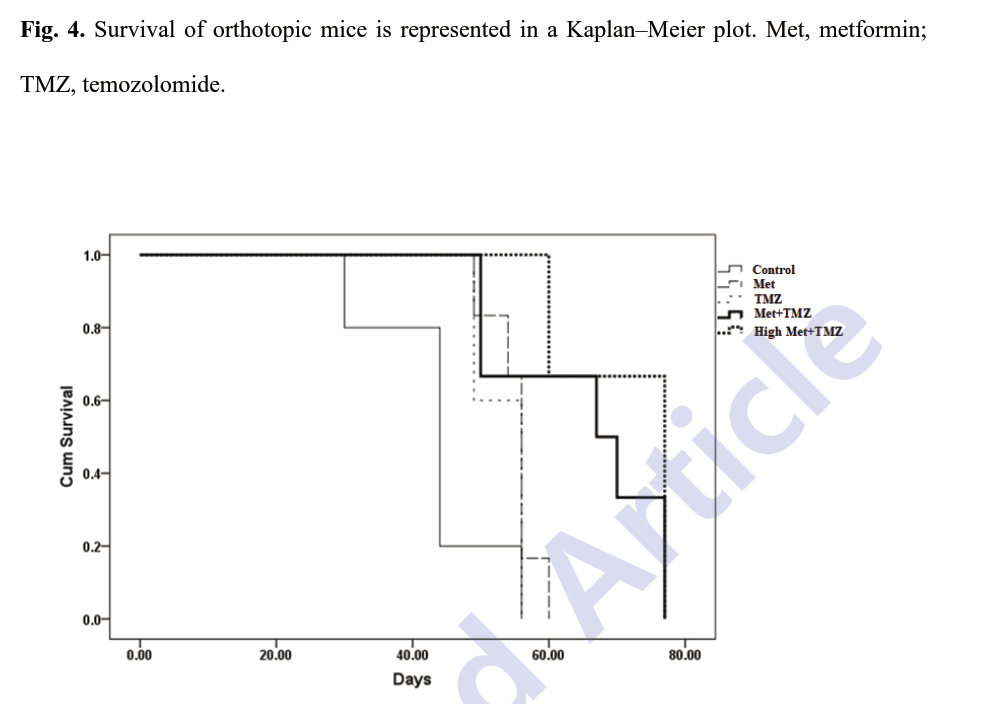
Metformin in vivo, C6 glioma - Wistar rat model
This is the first study I've seen testing metformin in an orthotopic glioma model with oral (rather than intraperitoneal) administration. The survival gain was modest, but threre was a gain nonetheless.
http://exp-oncology.com.ua/wp/wp-content/uploads/2017/12/2419.pdf?upload= (see figure 4)
Monday, 8 January 2018
Predicting immunotherapy response
1. The company OncoDNA provides test OncoDeep: 70 genes + predicting immunotherapy response.
https://www.oncodna.com/en/immunotherapy/
Price: 2990Eur.
Are there any studies predict immune therapy in other laboratories? Is this study useful?
3. Here (https://www.cegat.de/en/diagnostics/tumor-diagnostics/ovarian-cancer/) it is reported that "The detection of a somatic or germline mutation in the BRCA1 or BRCA2 genes is a requirement for treatment with Olaparib (LynparzaTM)"
There are also 4 testing options.
"Option 1: BRCA1 and BRCA2 analysis in tumor tissue only
In option 1, only mutations in the tumor are analyzed, no differentiation between germline and somatic mutations can be made. We do not recommend this option, but will perform it when it is explicitly requested by a patient."
Is it necessary to do such a study to determine the possibility of treatment with Olaparib or is it enough to study Oncodeep (by OncoDNA)? But in Oncodeep only mutations in the tumor are analyzed.
Option 1: BRCA1 and BRCA2 analysis in tumor tissue only
Option 4: Somatic Tumor Panel
https://www.oncodna.com/en/immunotherapy/
Price: 2990Eur.
Are there any studies predict immune therapy in other laboratories? Is this study useful?
2. By the way, in Moscow (Russia) a study of 50 genes costs $480. Can this research give some useful information? Or these 50 genes is very limited and such information is not sufficient?
3. Here (https://www.cegat.de/en/diagnostics/tumor-diagnostics/ovarian-cancer/) it is reported that "The detection of a somatic or germline mutation in the BRCA1 or BRCA2 genes is a requirement for treatment with Olaparib (LynparzaTM)"
There are also 4 testing options.
"Option 1: BRCA1 and BRCA2 analysis in tumor tissue only
In option 1, only mutations in the tumor are analyzed, no differentiation between germline and somatic mutations can be made. We do not recommend this option, but will perform it when it is explicitly requested by a patient."
Is it necessary to do such a study to determine the possibility of treatment with Olaparib or is it enough to study Oncodeep (by OncoDNA)? But in Oncodeep only mutations in the tumor are analyzed.
Option 1: BRCA1 and BRCA2 analysis in tumor tissue only
Option 4: Somatic Tumor Panel
Saturday, 6 January 2018
Consequences of radiation therapy?
Please share your experience.
A week ago, my mother finished radiation therapy + temolozolomide.
The condition was good.
Now she has great weakness, all the time very sleepy, it's hard to walk, sometimes unnatural speech.
I can not understand, such weakness is the consequences of radiation therapy?
Also the last 2 weeks my mom takes every day Metformin (2х1000mg), DCA (2х1300mg), delagil (1х250mg), celebrex (2х200mg).
P.S. My mother also had a very low leukocyte count to 1.66 (norm 4.5-11). What do you recommend food additives for their increase?
A week ago, my mother finished radiation therapy + temolozolomide.
The condition was good.
Now she has great weakness, all the time very sleepy, it's hard to walk, sometimes unnatural speech.
I can not understand, such weakness is the consequences of radiation therapy?
Also the last 2 weeks my mom takes every day Metformin (2х1000mg), DCA (2х1300mg), delagil (1х250mg), celebrex (2х200mg).
P.S. My mother also had a very low leukocyte count to 1.66 (norm 4.5-11). What do you recommend food additives for their increase?
Thursday, 4 January 2018
First post- looking for advice on cocktail treatment
Hello,
This is my first time posting to this site, although I have come across it many times in my research. My name is Jenna and I am here on behalf of my father who was diagnosed at age 66 and will turn 68 this February. Although his tumor is currently stable, his symptoms appear to be worsening. He has increased confusion and sleeps on and off all day. I am here looking for some suggestions as to what we do next.
A brief history: my father was diagnosed with grade 4 GBM in August 2015 and had a successful resection on his right frontal lobe and started temozolomide and radiation treatment. We tested the tumor material with FoundationOne and found six genomic alternations: EGFR, PIK3CA, CDKN2A/B, FAT1, and TERT. We also learned that it was unmethylated. His first recurrence was in September 2016, again in the right frontal lobe. We decided to try the Tocagen immunotherapy study, but unfortunately in late March, we saw growth again in the right frontal lobe as well as new growth in the corpus callosum, making it inoperable. Since then, my dad started getting infusions of nivolumab with re-radiation and we’ve been getting scans that show a slight improvement which has given us a few small but welcome moments of relief. At the same time, the re-radiation or nivo have caused inflammation and we believed the added pressure from that was giving him balance and bladder control issues. He recently had a seizure and now we are trying to work out whether his balance issues were actually the results of something called Todd's Paralysis. It's possible he's been having several small seizures that have been going unnoticed which then cause weakness in the limbs for days to months. If this is the case, we might be able to decrease or remove the steroids. We also reduced his nivolumab infusions from every two weeks to once a month to see if it lessens his inflammation.
I read Ben Williams' book as well as some posts here about cocktail treatments. I would love to create a regimen for my Dad but am confused about where to start. I work in anti-counterfeiting as well which makes me extra wary about procuring drugs from the internet. I would love to hear from some of you about which combinations of treatments are working, where the agents can be safely obtained, what the dosage is, and whether or not there are any side effects.
Many thanks and wishing everyone a happy new year ahead!
Jenna
Tuesday, 2 January 2018
P53 loss questions
Hi all,
I'm in the middle of determining what my next steps will be following my AA3 (previously thought to be an Oligo 2) diagnoses.
The tumour is listed as having P53 loss (or truncated mutation), which I know is more unusual in this type of tumour. While doing research on a ketogenic diet I repeatedly came across brief descriptions of p53 playing a role in metobolism...so I decided to look into it more. Below are a few links to different papers I've read. It's seems like you can exploit this loss in a number of different ways.
Firstly, there is evidence that it has some role in fatty acid oxidation and glutathione oxidation (I do not have a mutation to the MYC gene - which also plays a role in glutathione oxidation). According to these papers, these tumours (with p53 loss) are highly vulnerable to glucose restriction, they allow the PPP to become unchecked - which is a pathway that metabolises glucose. (I have read that p53 loss may prevent gene mutations (I think I was understanding that right), which maybe why I do not have an MYC mutation (the mutations I do have are listed in my post called Pathology Report from a few weeks ago).
It also regulates ROS homeostatsis, either through pro or anti-oxidant means (would loss of p53 mean that ROS was unchecked and how would this impact IDH1 mutant gliomas where ROS is already significantly altered, right?) In general, I'm questioning how IDH1 mutation works with loss of p53? IDH mutation metabolises glutamate at high rates, correct? So if p53 is lost (therefore the tumour would not generate GLS2 (at least through P53) and I do not have an MYC mutation (which allows the tumour to uptake large amounts of GLS1 - both GLS1 and 2 metabolise glutathione, then what others ways what the cells use glutathione?
I'm also questioning whether a ketogenic diet would be useful if I am able to use Proton therapy. I believe all radiation therapy uses ROS as one mechanism, proton therapy using more. A ketogenic diet has been said to limit ROS (sort of like antioxidants) but if it will limited it in standard therapy will more be better in Proton therapy? And then, the P53 in relationship to ROS question also comes in here.
I have read that keto may not be good for an IDH mutant tumour because of NAD+. Can someone elaborate more on that?
Just some more info - I had a gross total resection (surgeon said 99.9%). I'm considering Proton Therapy (do people have a hard time getting that covered by insurance), CBD/THC is try to block glutathione uptake during radiation, ketogenic diet to block glucose with attention to glutamate and methionine intake and DHC fatty acids, if needed boswellia and celebrex to prevent need for steroids, Stephen has recommended disulfiram, which I will look into and I'm going to look into metformin (seems to have a special interest with P53 loss), curcumin ( I was taking it before surgery) and I'm considering not taking any chemo at this time.
I apologize that I'm not as organized as I could be in asking these questions. I am experiencing aphasia following surgery.
Here are the links:
https://www.ncbi.nlm.nih.gov/pmc/articles/PMC3135642/
https://www.ncbi.nlm.nih.gov/pmc/articles/PMC2763495/
http://www.pnas.org/content/107/16/7117.full
http://www.sciencedirect.com/science/article/pii/S0005272809000115
https://www.ncbi.nlm.nih.gov/m/pubmed/21336310/
Thank you all.
Maria
I'm in the middle of determining what my next steps will be following my AA3 (previously thought to be an Oligo 2) diagnoses.
The tumour is listed as having P53 loss (or truncated mutation), which I know is more unusual in this type of tumour. While doing research on a ketogenic diet I repeatedly came across brief descriptions of p53 playing a role in metobolism...so I decided to look into it more. Below are a few links to different papers I've read. It's seems like you can exploit this loss in a number of different ways.
Firstly, there is evidence that it has some role in fatty acid oxidation and glutathione oxidation (I do not have a mutation to the MYC gene - which also plays a role in glutathione oxidation). According to these papers, these tumours (with p53 loss) are highly vulnerable to glucose restriction, they allow the PPP to become unchecked - which is a pathway that metabolises glucose. (I have read that p53 loss may prevent gene mutations (I think I was understanding that right), which maybe why I do not have an MYC mutation (the mutations I do have are listed in my post called Pathology Report from a few weeks ago).
It also regulates ROS homeostatsis, either through pro or anti-oxidant means (would loss of p53 mean that ROS was unchecked and how would this impact IDH1 mutant gliomas where ROS is already significantly altered, right?) In general, I'm questioning how IDH1 mutation works with loss of p53? IDH mutation metabolises glutamate at high rates, correct? So if p53 is lost (therefore the tumour would not generate GLS2 (at least through P53) and I do not have an MYC mutation (which allows the tumour to uptake large amounts of GLS1 - both GLS1 and 2 metabolise glutathione, then what others ways what the cells use glutathione?
I'm also questioning whether a ketogenic diet would be useful if I am able to use Proton therapy. I believe all radiation therapy uses ROS as one mechanism, proton therapy using more. A ketogenic diet has been said to limit ROS (sort of like antioxidants) but if it will limited it in standard therapy will more be better in Proton therapy? And then, the P53 in relationship to ROS question also comes in here.
I have read that keto may not be good for an IDH mutant tumour because of NAD+. Can someone elaborate more on that?
Just some more info - I had a gross total resection (surgeon said 99.9%). I'm considering Proton Therapy (do people have a hard time getting that covered by insurance), CBD/THC is try to block glutathione uptake during radiation, ketogenic diet to block glucose with attention to glutamate and methionine intake and DHC fatty acids, if needed boswellia and celebrex to prevent need for steroids, Stephen has recommended disulfiram, which I will look into and I'm going to look into metformin (seems to have a special interest with P53 loss), curcumin ( I was taking it before surgery) and I'm considering not taking any chemo at this time.
I apologize that I'm not as organized as I could be in asking these questions. I am experiencing aphasia following surgery.
Here are the links:
https://www.ncbi.nlm.nih.gov/pmc/articles/PMC3135642/
https://www.ncbi.nlm.nih.gov/pmc/articles/PMC2763495/
http://www.pnas.org/content/107/16/7117.full
http://www.sciencedirect.com/science/article/pii/S0005272809000115
https://www.ncbi.nlm.nih.gov/m/pubmed/21336310/
Thank you all.
Maria
Monday, 1 January 2018
Drug for a cocktail before bedtime?
Melatonin, agomelatin, imipramine, amitriptyline or something different?
As I can see, many patients take 20mg of melatonin before bedtime.
However, as written in CUSPND
"Agomelatine’s circulating half-life in humans is ~2hours versus 30 to 40 minutes for melatonin. This is a significant advantage of agomelatine. Further complicating the use of melatonin would be the variable and generally poor absorption after oral administration. Agomelatine penetrates the blood-brain barrier."
This study (https://www.ncbi.nlm.nih.gov/pubmed/28500556) compared agomelatine and other drugs and concluded that the most effective for glioblastoma - imipramine or amitriptyline.
However, here (https://www.ncbi.nlm.nih.gov/pubmed/27480195) on the contrary it is reported "that imipramine and tranylcypromine reduced the cytotoxic efficacy of temozolomide under some oxygen conditions while fluoxetine did not demonstrate such effects".
So which of these drugs should be added to the cocktail before bedtime?
CLOVA cocktail - Your opinion?
It was published in February 2017:
https://www.ncbi.nlm.nih.gov/pmc/articles/PMC5410264/
"The patients treated with CLOVA cocktail in combination with TMZ showed increased survival compared to the control group treated with TMZ alone."
CLOVA cocktail:
TMZ + 800 mg cimetidine, 400 mg lithium, 10 mg olanzapine, 800 mg valproate.
Perhaps one of these drugs (to inhibit the activity of GSK3β) can be replaced with more effective?
Saturday, 30 December 2017
Treatment options post-RT/TMZ phase for IDH1 mutated, MGMT unmethylated GBM
Hi all,
I was diagnosed in late September with a GBM (frontal, left, with large cyst, IDH1 mutated, MGMT unmethylated), which was subsequently successfully operated (gross total resection) at the end of September. I guess as many/most here, I eventually stumbled across Ben William's book, the Glioblastoma Treatment options guide and ultimately this invaluable blog and community, which I have been studying and following closely since. I recently concluded the first phase of my treatment, following standard Stupp Protocol (6 weeks concomitant RT/TMZ) and am currently planning next steps (plus waiting for first post-RT MRI next week...).
While I did not get 'smart' in time to save my tumor material from being paraffined post-OP (unbelievably, this is still standard practice here in Germany in most hospitals), I did actively supplement my first phase of treatment with what I think is a reasonably aggressive 'cocktail' approach, including the following components:
--------------------------------------------------------------------------------------
Meds:
- Chloroquine, 1x 250mg
- Celebrex, 2x 200mg
- Disulfiram, 1x 250mg - 500mg (+4mg copper)
- Sativex (THC/CBD spray), ca. 3-4 sprays (approx. 15-20mg)
In general, I tolerated these medications without any major problems or side effects, with a few exceptions. Notably, towards the end of the treatment I developed some peripheral neuropathy in my left foot, which has now almost recovered, however (took around 3-4 weeks to recover). Nevertheless, it cause me to cease the Chloroquine and Disulfiram shortly before the end of my RT treatment phase. In addition, I found it a little hard to tolerate Sativex as I wasn't too keen on the psychoactive effect, which gave me some anxiety / mild panic attacks from time to time at night. As a result, I took it only for around 3 weeks or so.
Supplements:
- Berberine: 1000mg
- Boswellia Serrata: up to 4400mg (gradually increased dosage over course of RT to protect from Edema)
- CBD oil (8%), 5 drops (started after ceasing to take Sativex)
- PSP, 2100mg
- Curcumin (Longvida), 2000mg, increased to 3000mg towards end of treatment
- Green Tea Extract, 3625mg
- Lycopene, 20mg
- Matiake D-Fraction Pro, 65mg (3x 23 drops)
- Melatonin, 20mg
- Omega 3 DHA/EPA, 3528mg
- Probiotics, ca. 40bn units
- Pterstilbene, 250mg
- Resveratrol, 500mg
- Selenium, 200ug
- Silymarin, 1500mg
- Soy extract, 3750mg
- Vitamin D, 9000IU
In general, all of the above were well tolerated without side effects. I'd also like to mention I was able to avoid any kind of Edema / Cortisone use during my RT therapy, which I believe may have been at least in part facilitated by Boswellia in combination with Celebrex.
Other:
- Ketogenic diet, max 40 g Carbs per day; generally constant medium to high Ketone bodies when measuring. Started 1 week before RT, and continued to last day
- Caloric restriction, lost ca. 8 kilos in 6.5 weeks of RT, which I think equates approx. 600kcal or so in daily caloric restriction
- Daily morning smoothie, with variety of hopefully beneficial things like berries, broccoli sprouts, spirulina, tumeric powder, Matcha green tea, cocoa powder, etc.
- Daily walks of ca. 1 hour to combat radiotherapy fatigue and keep fit
Ketogenic diet was somewhat difficult to maintain psychologically, but possible due to my partner's kind help in continuously seeking out new and often tasty dishes to keep things interesting. Caloric restriction much easier, since Temodal anyway caused me lack of appetite. I believe daily walks were very helpful to avoid RT fatigue, which affected me only in very minor way and much less than I expected.
--------------------------------------------------------------
NEXT STEPS & QUESTIONS
I am currently considering next steps, and having talked to various NOs and other Brain Tumor specialists, I am still not entirely convinced what the right way forward is. As expected, most doctors do not want to deviate from the Stupp Protocol (i.e. follow up the RT/TMZ phase with 6 months of 5/23 TMZ cycles). However, I am not convinced such a treatment would necessarily add much benefit in my case, since my tumor is MGMT unmethylated.
One of the leading specialists in Germany told me that the unmethylated MGMT status is irrelevant in the case of IDH1 mutated tumors like mine, since a study (NOA-4) showed that there was no significant difference in responsiveness between MGMT methylated or unmethylated IDH1 tumors.
https://www.ncbi.nlm.nih.gov/pubmed/19901110
However, upon further research I stumbled across the following interesting study from China, which seems to suggest that IDH1 mutated tumors might in fact be particularly resistant to TMZ (3-10x more resistant in cell culture test). The study also notes that in China they observed relatively little additional benefit of TMZ cycles for the IDH1 mutated group of patients compared to RT alone, and the authors argue that survival benefits for IDH1 mutated tumors may simply be the result of a less invasive / more benign type of tumor relative to wildtype. It makes me wonder if the fact that MGMT doesn't seemingly play as big a role for IDH1 mutated tumors is simply the result of the fact that neither responds well to TMZ...:
https://www.ncbi.nlm.nih.gov/pmc/articles/PMC4747376/
I'm therefore a bit hesitant to simply go ahead with TMZ therapy hoping for the best, and would like to consider other options.
One approach I am considering is Immunotherapy at the IOZK clinic in Cologne, which is not far from my house. However, because I don't have frozen tumor material, they would have to make a personalized vaccine using a liquid biopsy approach. This, in turn, could make the treatment even more unproven than vaccines anyway are even when made from tumor lysate. An additional option which could possible materialize down the road (but not yet, as no trials are running here presently to my knowledge) is to try to get hold of an IDH1 vaccine on a compassionate use basis.
My immediate next step is to see the MRI results next week, but I'd be very grateful for any advice on how to proceed from here. Especially, I'd like to try and resolve the following questions:
1. Would it be unwise to not do any additional TMZ cycles? Are there any obvious chemotherapy alternatives perhaps?
2. Would the immunotherapy using liquid biopsy at IOZK clinic be a good alternative for ongoing chemotherapy cycles? Would it be advisable to start this right away (i.e. without any additional TMZ cycles), or should I do some TMZ cycles first just to hedge my bets?
3. Any other recommendations in terms of maintenance strategies. E.g. what medication(s) could make a good maintenance therapy, without concurrent chemotherapy?
Thanks in advance for any comments, and wish you all a very happy and most importantly healthy 2018!
Best,
John
I was diagnosed in late September with a GBM (frontal, left, with large cyst, IDH1 mutated, MGMT unmethylated), which was subsequently successfully operated (gross total resection) at the end of September. I guess as many/most here, I eventually stumbled across Ben William's book, the Glioblastoma Treatment options guide and ultimately this invaluable blog and community, which I have been studying and following closely since. I recently concluded the first phase of my treatment, following standard Stupp Protocol (6 weeks concomitant RT/TMZ) and am currently planning next steps (plus waiting for first post-RT MRI next week...).
While I did not get 'smart' in time to save my tumor material from being paraffined post-OP (unbelievably, this is still standard practice here in Germany in most hospitals), I did actively supplement my first phase of treatment with what I think is a reasonably aggressive 'cocktail' approach, including the following components:
--------------------------------------------------------------------------------------
Meds:
- Chloroquine, 1x 250mg
- Celebrex, 2x 200mg
- Disulfiram, 1x 250mg - 500mg (+4mg copper)
- Sativex (THC/CBD spray), ca. 3-4 sprays (approx. 15-20mg)
In general, I tolerated these medications without any major problems or side effects, with a few exceptions. Notably, towards the end of the treatment I developed some peripheral neuropathy in my left foot, which has now almost recovered, however (took around 3-4 weeks to recover). Nevertheless, it cause me to cease the Chloroquine and Disulfiram shortly before the end of my RT treatment phase. In addition, I found it a little hard to tolerate Sativex as I wasn't too keen on the psychoactive effect, which gave me some anxiety / mild panic attacks from time to time at night. As a result, I took it only for around 3 weeks or so.
Supplements:
- Berberine: 1000mg
- Boswellia Serrata: up to 4400mg (gradually increased dosage over course of RT to protect from Edema)
- CBD oil (8%), 5 drops (started after ceasing to take Sativex)
- PSP, 2100mg
- Curcumin (Longvida), 2000mg, increased to 3000mg towards end of treatment
- Green Tea Extract, 3625mg
- Lycopene, 20mg
- Matiake D-Fraction Pro, 65mg (3x 23 drops)
- Melatonin, 20mg
- Omega 3 DHA/EPA, 3528mg
- Probiotics, ca. 40bn units
- Pterstilbene, 250mg
- Resveratrol, 500mg
- Selenium, 200ug
- Silymarin, 1500mg
- Soy extract, 3750mg
- Vitamin D, 9000IU
In general, all of the above were well tolerated without side effects. I'd also like to mention I was able to avoid any kind of Edema / Cortisone use during my RT therapy, which I believe may have been at least in part facilitated by Boswellia in combination with Celebrex.
Other:
- Ketogenic diet, max 40 g Carbs per day; generally constant medium to high Ketone bodies when measuring. Started 1 week before RT, and continued to last day
- Caloric restriction, lost ca. 8 kilos in 6.5 weeks of RT, which I think equates approx. 600kcal or so in daily caloric restriction
- Daily morning smoothie, with variety of hopefully beneficial things like berries, broccoli sprouts, spirulina, tumeric powder, Matcha green tea, cocoa powder, etc.
- Daily walks of ca. 1 hour to combat radiotherapy fatigue and keep fit
Ketogenic diet was somewhat difficult to maintain psychologically, but possible due to my partner's kind help in continuously seeking out new and often tasty dishes to keep things interesting. Caloric restriction much easier, since Temodal anyway caused me lack of appetite. I believe daily walks were very helpful to avoid RT fatigue, which affected me only in very minor way and much less than I expected.
--------------------------------------------------------------
NEXT STEPS & QUESTIONS
I am currently considering next steps, and having talked to various NOs and other Brain Tumor specialists, I am still not entirely convinced what the right way forward is. As expected, most doctors do not want to deviate from the Stupp Protocol (i.e. follow up the RT/TMZ phase with 6 months of 5/23 TMZ cycles). However, I am not convinced such a treatment would necessarily add much benefit in my case, since my tumor is MGMT unmethylated.
One of the leading specialists in Germany told me that the unmethylated MGMT status is irrelevant in the case of IDH1 mutated tumors like mine, since a study (NOA-4) showed that there was no significant difference in responsiveness between MGMT methylated or unmethylated IDH1 tumors.
https://www.ncbi.nlm.nih.gov/pubmed/19901110
However, upon further research I stumbled across the following interesting study from China, which seems to suggest that IDH1 mutated tumors might in fact be particularly resistant to TMZ (3-10x more resistant in cell culture test). The study also notes that in China they observed relatively little additional benefit of TMZ cycles for the IDH1 mutated group of patients compared to RT alone, and the authors argue that survival benefits for IDH1 mutated tumors may simply be the result of a less invasive / more benign type of tumor relative to wildtype. It makes me wonder if the fact that MGMT doesn't seemingly play as big a role for IDH1 mutated tumors is simply the result of the fact that neither responds well to TMZ...:
https://www.ncbi.nlm.nih.gov/pmc/articles/PMC4747376/
I'm therefore a bit hesitant to simply go ahead with TMZ therapy hoping for the best, and would like to consider other options.
One approach I am considering is Immunotherapy at the IOZK clinic in Cologne, which is not far from my house. However, because I don't have frozen tumor material, they would have to make a personalized vaccine using a liquid biopsy approach. This, in turn, could make the treatment even more unproven than vaccines anyway are even when made from tumor lysate. An additional option which could possible materialize down the road (but not yet, as no trials are running here presently to my knowledge) is to try to get hold of an IDH1 vaccine on a compassionate use basis.
My immediate next step is to see the MRI results next week, but I'd be very grateful for any advice on how to proceed from here. Especially, I'd like to try and resolve the following questions:
1. Would it be unwise to not do any additional TMZ cycles? Are there any obvious chemotherapy alternatives perhaps?
2. Would the immunotherapy using liquid biopsy at IOZK clinic be a good alternative for ongoing chemotherapy cycles? Would it be advisable to start this right away (i.e. without any additional TMZ cycles), or should I do some TMZ cycles first just to hedge my bets?
3. Any other recommendations in terms of maintenance strategies. E.g. what medication(s) could make a good maintenance therapy, without concurrent chemotherapy?
Thanks in advance for any comments, and wish you all a very happy and most importantly healthy 2018!
Best,
John
Labels:
boswellia,
caloric_restriction,
cannabinoids_THC_CBD,
celebrex,
cerebral_edema,
chloroquine,
cocktails_GBM_(IDHmut),
disulfiram,
IDH1,
immunotherapy,
IOZK_clinic,
ketogenic_diet,
radiation,
Sativex,
vaccines
Friday, 29 December 2017
Our cocktail and treatment tactics: CCNU+TMZ (CeTeG) + CUSP9v4
Hello!
Today my mother had the last day of radiation therapy+TMZ.
(Diagnosis: Glioblastoma, MGMT methylated)
1. We plan to wait 2-3 weeks before the increase in the platelet count (now 142) and start with
CCNU+TMZ cycles (as in CeTeG trial).
Also, at the same time we want to start CUSP9v4 protocol .
But in CUSP9v4 protocol TMZ is taken daily in small doses.
I do not know how to take TMZ better. As in CUSP9v4 protocol, or as in CeTeG protocol (CCNU+TMZ)? What can you recommend?
If we take TMZ, as in CeTeG trial, we want to do intravenous injections of curcumin
every day of taking TMZ (5 days in 6 weeks).
2. Also we increased the dose very slowly, and now we take it every day:
DCA - 2x1300mg (2 x 20mg/kg/day)
Metformin - 2x1000mg
Alfacalcidol - 2,5mkg
Delagil (Chloroquine) - 1x250mg
Valdoxan (Agomelatinum) - 50mg (in the bed) (Cancel when moving to Sertraline from CUSP9v4).
_____________________________________
Extra virgin olive oil, 1 tablespoon (on an empty stomach)
CurcuBrain, Longvida Optimized Curcumin (Now Foods) - 5х400mg
Aronia (Eclectic Institute) - 1x450 mg
TransmaxTR, Trans-Resveratrol (Biotivia) - 4x500mg
pTeroPure, Pterostilbene (Life Extension) - 4x50mg
Berberine (Thorne Research)- 3x500mg
Shark Liver Oil (Norwegian Fish Oil) - 3x689mg
Max DHA (Jarrow Formulas) - 2x484mg
Silymarin, Milk Thistle Extract with Artichoke & Dandelion (Now Foods) - 1x300mg
EGCg, Green Tea Extract (Now Foods) - 1x400 mg
Brocco Max DR (Jarrow Formulas) - 3x30mg
Boswellia Extract (Now Foods) - 2x250 mg
Ashwagandha Ghan Vati - 2caps
Oxaloacetate, OAA (Fractal Health) - 1x250mg
Mito-Charger (Advanced Orthomolecular Research AOR) - 3caps
Selenium (Now Foods) - 1x100 mcg
I also ordered and waiting for the delivery of PSK/PSP.
_____________________________________
Tomato juice 1-2 cups
Young shoots Broccoli
Adding aronia (chokeberry) to the tea
_____________________________________
I think we drink a lot of food supplements, but so far there have been no side effects and I do not know what to cancel!(
3. I also with great difficulty have already ordered perillyl alcohol, and now I am studying all the instructions for treatment with it.
4. We also want to try Nivolumab. The doctor assured us that we will be able to monitor the side effects by abolishing or decreasing the dose. Our doctor suggests starting with a dose of 100 mg / 2 weeks and then increasing 200 mg / 2 weeks. I'm not yet sure about Nivolumab, since we had a large remaining tumor after the operation(((
5. Next, I want to do a test for the amplification or overexpression of the EGFR gene.
In this case, we will cancel CUSP9v4 protocol and I want to consider pulsed lapatinib (or an analogue), as in this study:
https://clinicaltrials.gov/ct2/show/NCT01591577
https://www.ncbi.nlm.nih.gov/pmc/articles/PMC4965258 (I can not yet understand what kind of research was done to select niacinamide? What kind of research should I order?)
Unfortunately we did not have any tumor samples left. We signed a paper that we give samples of the tumor to the clinic where the mother was operated (University Clinic of Frankfurt on Main).
If we do not give back the remnants of the tumor, I will look for testing EGRF on the model of blood. I'm not sure that this is possible.
Stephen wrote that maybe this test will tell me about the overexpression of EGRF and maybe I'll order it: https://www.rgcc-group.com/index.php?page=test_onconomics_plus
6. I want to do a test here for the effectiveness of DCA for my mother and decide whether to take it further or cancel it: http://erweiterte-medizin.de/infusionen/dca
I do not know what exactly is being investigated in this test. Maybe someone knows? I would then have ordered this study somewhere else.
7. I do not quite understand the results of our immunohistochemical study. Maybe there is something special about this data?
IDH-wild type,
IDH: IDH1 (R132H) negative (IHC),
ATRX: Preservation of nuclear expression (IHC)
H3.3: No evidence of K27M mutation (IHC)
P53: no accumulation of p53 (IHC)
P.S. I would like to write about my admiration and my great gratitude to Stephen, for devoting himself to helping other people fighting this deadly disease.
Tuesday, 26 December 2017
New cytomegalovirus-directed vaccine trial for recurrent GBM
This phase 1 trial opened this month in New York, and will be opening in Virginia as well.
The vaccine is called VBI-1901 and consists of two CMV antigens (gB and pp65), delivered via enveloped virus-like particles (eVLP), plus GM-CSF as an adjuvant.
View trial outline here.
The vaccine is called VBI-1901 and consists of two CMV antigens (gB and pp65), delivered via enveloped virus-like particles (eVLP), plus GM-CSF as an adjuvant.
View trial outline here.
Subscribe to:
Posts (Atom)